Chronopharmacology & Chronotherapeutics
Biological Clocks, Drug Exposure and Evidence for Timed Therapy
Past RGUHS + DNB + MPMSU + MUHS + VNSGU + WBUHS · 22
RGUHSMar '26
RGUHSSep '25
MPMSUJan '25
RGUHSDec '23
RGUHSJul '23
MPMSU2022
WBUHSMay '22
MUHSWinter '22
RGUHSJun '20
MPMSUJul '20
DNBJun '20
MUHSSummer '19
MUHSSummer '18
VNSGUMay '17
MUHSSummer '17 Suppl
VNSGUApr '16
DNBDec '16
WBUHS2016
RGUHSOct '10
WBUHSApr '08
RGUHSApr '07
RGUHSApr '06
Definition and aims
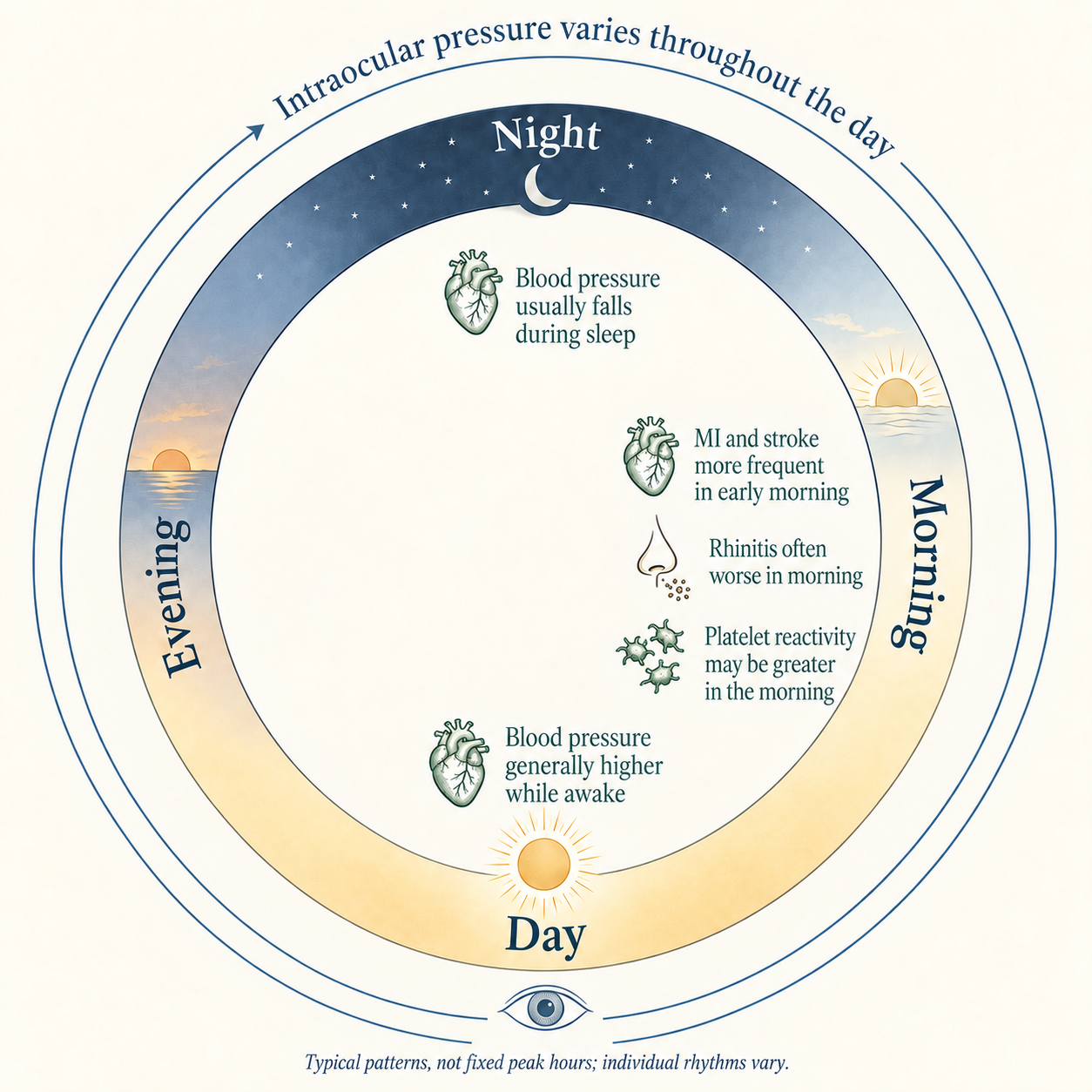
- Chronopharmacology — studies relationships between drug effects and circadian rhythms; biological time supplements drug, dose and route.
- Chronotherapeutics — arranges administration or exposure around a relevant biological rhythm to improve treatment.
- Three purposes — approximate hormone secretion, inhibit greater target activity, or anticipate symptoms; timing must suit the drug, formulation and patient.
Continue reading
See plans
Chronopharmacology Chronotherapeutics
PharmaNotes Pro · LAQ
₹199/monthMonthly
Save 16%₹1,999/yearAnnual
- Every LAQ and Comprehensive chapter, current and future
- Exam Prep: guided recall, recorded audio and nine PDFs
- The RGUHS recurring-question answer bank, Papers I–IV
Sign in with your Google account. If you're already subscribed, the chapter unlocks immediately — otherwise, pick Monthly or Annual on the next step.